No business expects an accident to occur, but even well-managed companies can face situations where a customer, visitor, or member of the public suffers an injury or property damage. When this happens, a public liability claim may follow.
Understanding the types of incidents that commonly lead to claims can help businesses identify potential hazards and take steps to reduce their exposure.
Slips, Trips and Falls
One of the most common causes of public liability claims is a slip, trip, or fall on business premises.
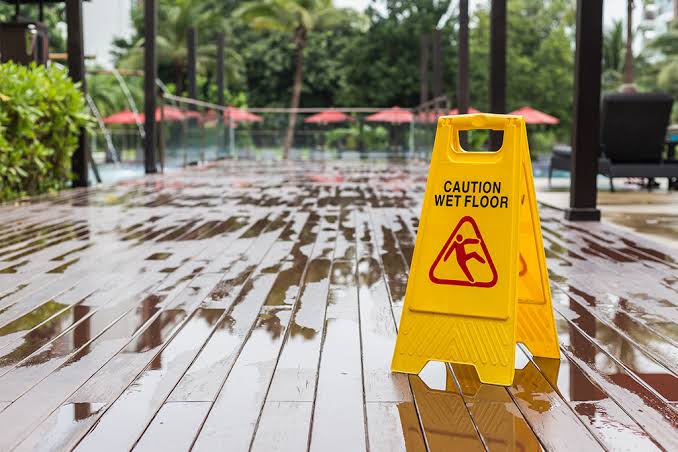
Wet floors, uneven paving, loose carpets, trailing cables, poor lighting, or obstacles in walkways can all increase the risk of accidents. Regular inspections and prompt maintenance can help reduce these hazards.
Damage to Customer Property
Businesses often work in environments where customer property could be accidentally damaged.
For example, a plumber may accidentally damage flooring while repairing a pipe, or a decorator could spill paint on valuable furniture. Even careful professionals can make mistakes, making this a common source of liability claims.
Falling Objects
Items that are stored incorrectly or displayed unsafely can fall and cause injury or property damage.
Retail stores, warehouses, and construction sites should ensure shelves, equipment, and materials are properly secured and regularly inspected.
Construction and Maintenance Work
Building work, renovations, and maintenance projects often involve increased risks.
Loose materials, tools, machinery, and temporary hazards can affect both workers and members of the public if appropriate safety measures are not followed.
Vehicle-Related Incidents
Businesses that operate vehicles may also face public liability risks while working on customer premises.
For example, a delivery driver could accidentally damage a customer’s gate, fence, or parked vehicle while completing a delivery.
How Businesses Can Reduce Liability Claims
Although accidents cannot always be prevented, businesses can significantly reduce their risk by:
- Carrying out regular safety inspections.
- Training employees in safe working practices.
- Clearly marking temporary hazards.
- Maintaining equipment and premises.
- Keeping walkways free from obstacles.
- Responding quickly to identified risks.
- Recording accidents and near misses.
These measures not only improve safety but also demonstrate that reasonable steps have been taken to protect customers and visitors.
Final Thoughts
Public liability claims can arise in almost any industry, from retail and hospitality to construction and professional services. By understanding the most common causes of claims and maintaining high safety standards, businesses can reduce the likelihood of incidents while creating a safer environment for everyone.
About The Author